
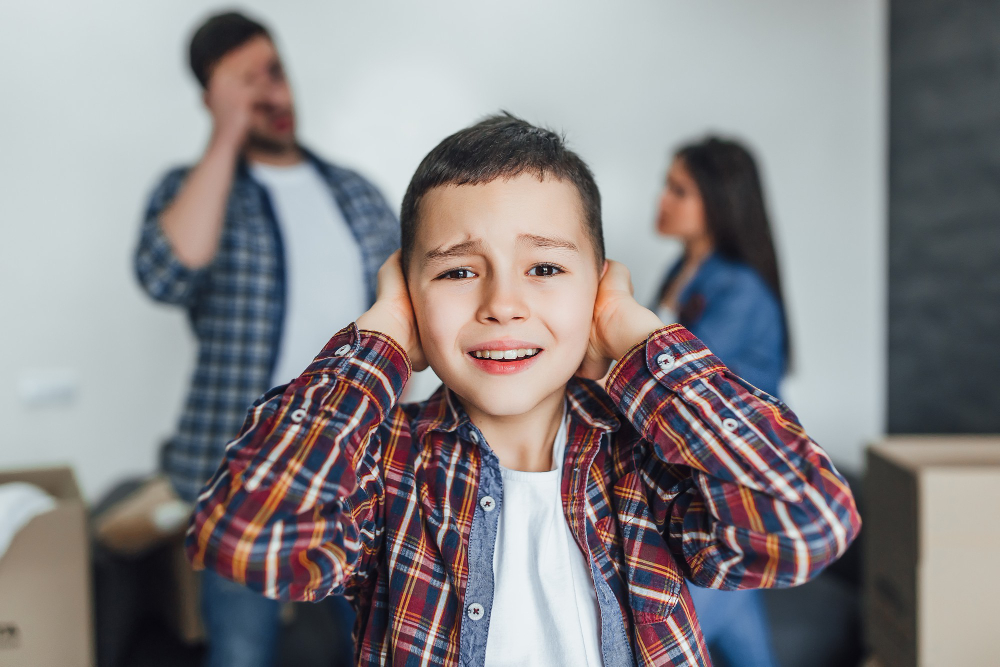
What Is Separation Anxiety in Children?
Separation anxiety in children happens when a child feels very worried about being away from parents or caregivers. While it is normal for young children to feel some worry, sometimes this fear becomes too strong. In these cases, the worry can affect a child’s daily life. For example, some children may refuse to go to school or sleep alone. According to the CDC, separation anxiety is most common in children between ages 3 and 8. However, older children can also experience it. Because this worry can be overwhelming, it is important to know the signs and ways to help.
Common Symptoms of Separation Anxiety
Children with separation anxiety often show clear signs. These signs may appear at home, school, or other places. For instance, a child might cling to a parent or cry when left alone. In many cases, the symptoms can be both emotional and physical.
Because these signs can also be part of normal development, it is important to notice when they last longer than expected or disrupt daily life.
Causes and Risk Factors
Many factors can lead to separation anxiety in children. Sometimes, it starts after a stressful event, such as moving to a new home or starting school. In addition, children with a family history of anxiety may be more likely to develop it. According to the American Academy of Child and Adolescent Psychiatry, both genetics and environment play a role.
Because each child is different, not all children with these risk factors will develop separation anxiety. However, knowing the causes can help parents support their child better.
How Separation Anxiety Is Diagnosed
Doctors and mental health professionals use careful steps to diagnose separation anxiety in children. First, they talk with the child and parents about the child’s feelings and behaviors. Next, they may use special checklists or questions to learn more. According to the DSM-5, a child must have strong fear about being apart from parents for at least four weeks. In addition, the worry must be more than what is normal for the child’s age. Because other problems can look similar, doctors may rule out medical causes first.
Treatment Options for Separation Anxiety
There are several ways to help children with separation anxiety. Treatment depends on the child’s age, symptoms, and needs. Often, therapy is the first step. For example, cognitive behavioral therapy (CBT) helps children learn to manage their worries. In some cases, doctors may suggest medicine if symptoms are severe.
Because early help can make a big difference, it is important to seek support if you notice signs of separation anxiety in your child.
Tips for Parents and Caregivers
Parents and caregivers play a key role in helping children with separation anxiety. While it can be hard to see your child worry, there are steps you can take. For instance, keeping a calm routine can help your child feel safe. In addition, talking openly about feelings can make a big difference.
Because support at home and school matters, working together with teachers can help your child adjust more easily.
Prevention Strategies
Although not all cases can be prevented, some steps may lower the risk of separation anxiety in children. For example, building a strong, trusting bond with your child can help. In addition, teaching coping skills early can make children feel more secure.
Because every child is unique, prevention strategies may work differently for each family. However, early support and open communication can help children feel safe and confident.